Your Twenty Year Window Warranty, and Who Is Actually Standing Behind It
Most glazing warranties are really two or three separate promises from different companies, and only some of them survive the installer closing its doors.
- Written by
- Nadine Buckley
- Published
- Filed under
- Property
- Length
- 983 words, about 4 minutes
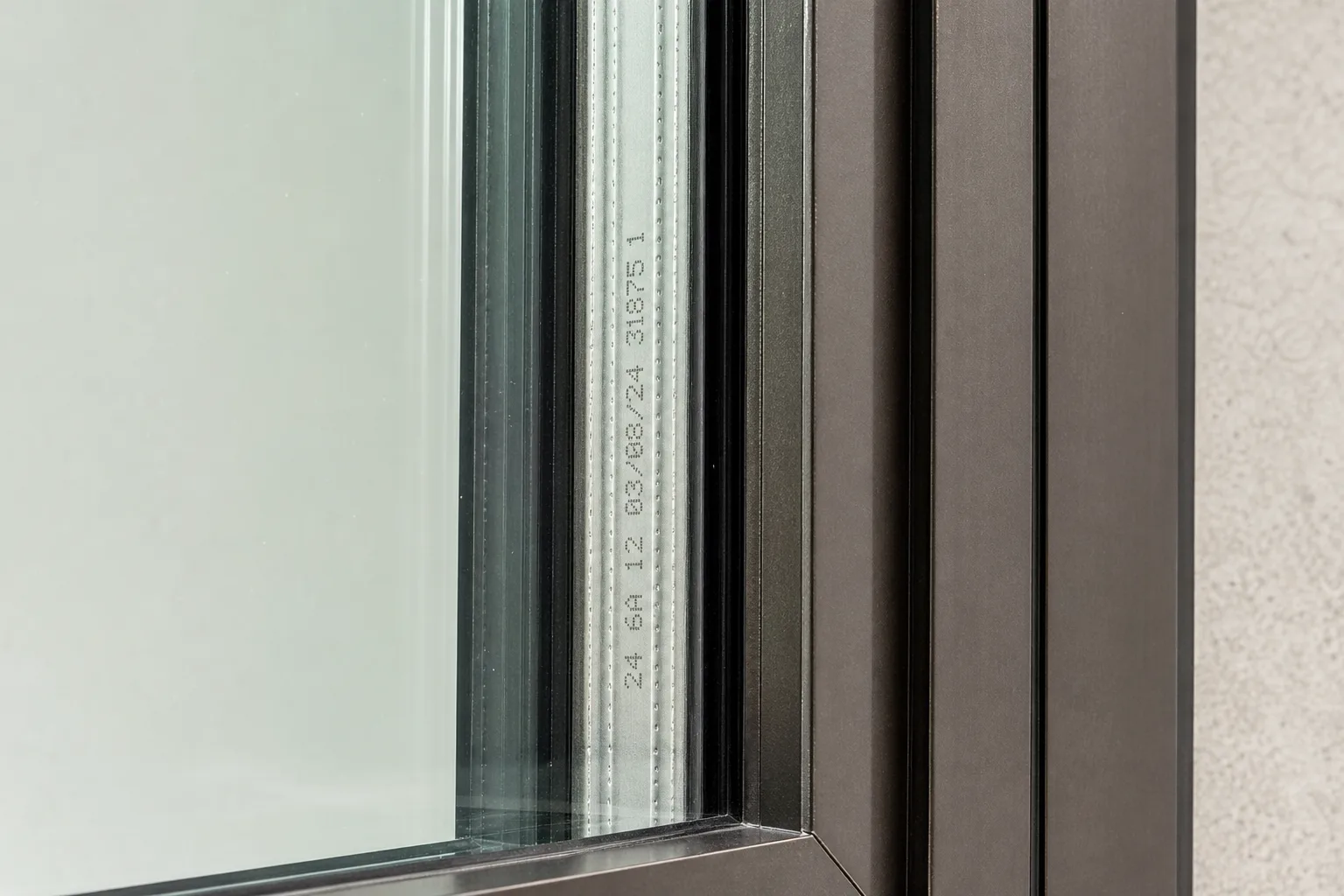
A glazing warranty is almost never one document. It is two or three promises from different companies, stapled together at the point of sale and presented as a single number of years. When people say a warranty is worthless because the installer folded, they are usually describing one of those promises failing while the others stayed perfectly intact. Knowing which is which, before you sign, is the whole exercise.
The assumption, and what is actually true
The common assumption: the company that installed the glass owns the warranty, so if that company disappears, the coverage disappears with it.
What is actually true is more useful. A typical window or storefront job carries at least three distinct obligations:
- The product warranty on the insulating glass unit, written by the glass fabricator. This covers seal failure, visible obstruction between the panes, and sometimes stress cracks. It is the fabricator's obligation, not the installer's.
- The system or component warranty on the frame, hardware, finish and gaskets, written by the window or curtain wall manufacturer. Anodized and painted finishes are often warranted separately and for a different term than the extrusion itself.
- The labor warranty on the installation: flashing, sealant joints, anchorage, shimming, perimeter detail. This one belongs to the installing contractor and genuinely does die when the contractor does, unless something else is backing it.
The two product warranties are the ones with real staying power. They attach to the glass and the frame, not to the firm that carried them through the door. That is why the serial number etched in the spacer bar of an insulating unit matters so much. It is the only thing that lets a fabricator confirm who made it, when, and under which program it was certified.
What changed recently, and why it matters to you
Two shifts in the last several years changed what a durable glazing guarantee looks like.
The first is consolidation on the standards side. The trade bodies that separately maintained insulating glass certification and fenestration performance standards merged into a single association, which pulled insulating glass durability testing, certification listings and component standards under one roof. The practical effect is that a product's certification record is easier to trace years after installation, and harder for a seller to describe loosely. A unit either appears in a certified products listing against the durability test it claims, or it does not.
The second is the tightening of federal efficiency criteria for residential windows, doors and skylights. Energy Star, administered by the Environmental Protection Agency and the Department of Energy, oversees those criteria, and the current specification raised the performance bar enough that a large share of previously qualifying products had to be re-engineered or dropped. Manufacturers responded by changing glass packages, spacer systems and gas fills. That matters for warranties because warranty terms were rewritten alongside the products. Coverage language on gas retention, coating durability and seal life is not identical to what the same brand published five years ago.
So the old habit of comparing warranties by headline years is less reliable than it was. The years moved. The exclusions moved with them.
On commercial work, the structure is different
Commercial storefront and curtain wall jobs carry a layer residential work usually does not: contractual and financial instruments that outlast the parties. A payment and performance bond stands behind the contractor's obligations for a defined period. Retainage held through substantial completion gives the owner leverage during the window when installation defects actually appear. Lien waivers, collected properly, prevent a supplier from pursuing the building when the contractor stops paying bills.
There is also the certified installer channel. Manufacturers of curtain wall and entrance systems run programs that authorize specific glazing firms, and an extended system warranty is frequently conditional on the work being done by one of them. A firm offering commercial glass installation under that kind of authorization is doing something more than vouching for itself: it is putting the manufacturer's name on the labor portion, which is exactly the portion that normally evaporates.
Ask which authorizations apply to your specific system. Authorization for one manufacturer's entrance line does not extend to another manufacturer's unitized wall.
Questions that separate a durable guarantee from a printed one
- Who writes each of the three warranties? Get three names, not one. If the installer cannot produce the fabricator's and manufacturer's documents, you do not yet know what you are buying.
- Is the product warranty transferable, and on what terms? Many are, once, within a stated window, sometimes with a fee or a registration step. An unregistered transfer is a common reason a valid claim gets refused.
- Does registration have a deadline? Some manufacturers require it within 30 to 90 days of installation. Put it on a calendar during the job, not after.
- Is it a parts warranty or a parts and labor warranty? A replacement insulating unit shipped free still has to be removed, reglazed and resealed. On upper floors with lift access, labor dwarfs the glass.
- What does the sealant warranty say? Perimeter sealant often carries its own term from the sealant manufacturer, and often depends on documented surface prep and joint design.
- Which exclusions are in play on this building? Thermal stress from interior blinds, applied films, pressure washing, and welding or grinding nearby all appear routinely.
Keep the paperwork that survives the firm
Build a single folder at closeout and store it somewhere other than the contractor's portal. It should hold the signed warranty documents from each party, the product certification listings or labels, the glass makeup and spacer type by opening, the shop drawings, the registration confirmations, and photographs of the spacer serial numbers before interior trim goes in.
That folder is what you hand a fabricator eleven years later when two units on the north elevation fog. It works whether or not the company that installed them still exists, which is the point.