First quote for double glazing? What the price is made of, and what the savings aren't
A first-time buyer's breakdown of what drives a double glazing quote, which savings are real, and which ones only exist in the sales math.
- Written by
- Ellen Marsh
- Published
- Filed under
- Property
- Length
- 1,130 words, about 5 minutes
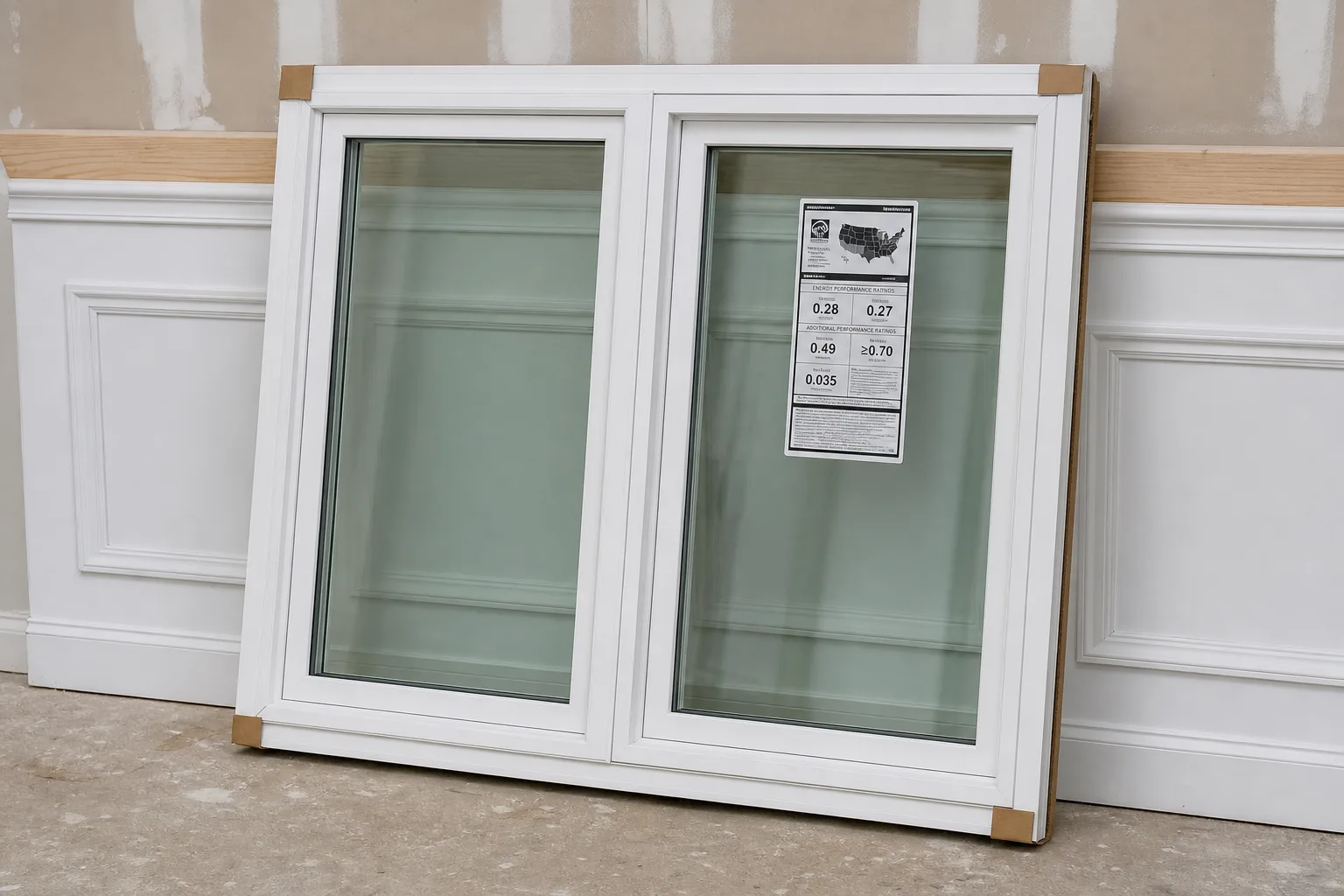
The first glazing quote you see will be a single number per window, or worse, one number for the whole house. That number is doing a lot of hiding. Two companies can quote the same house within a few hundred dollars of each other and be selling genuinely different products, with different install labor, different warranties, and different odds of a callback in year three.
Here is what sits inside the price, and which of the promised savings actually show up.
What you are paying for, in rough order of impact
Ask any installer to split the quote and you will find the same components. Their relative weight is what moves your total.
- Frame material. Vinyl is the cheap end. Fiberglass and composite sit above it. Wood-clad is usually the top of the residential range. This single choice can double a per-window price with no change to the glass at all.
- Window size and operating style. A fixed picture window costs less per square foot than a double-hung, which costs less than a casement with hardware and a crank. Odd sizes and arched heads carry a custom charge.
- Glass package. Double pane is the baseline. Low-emissivity coatings, argon or krypton fill, and warm-edge spacers are add-ons, often bundled into tiers with names invented by the manufacturer.
- Installation method. An insert (pocket) replacement keeps the existing frame and trim. A full-frame replacement takes the window out to the rough opening. Full-frame costs meaningfully more in labor and interior finish work, and it is the only option if the existing frame is rotted.
- Access and trim. Second-story work, scaffolding, stucco or brick returns, interior casing repair, and exterior capping are all labor lines that sales sheets prefer to leave as "included."
- Disposal, permit, and lead-safe practice. Older housing stock triggers extra procedure. It belongs on the quote, not in a surprise invoice.
A first-timer's practical test: ask which single change to the quote would save the most money. If the answer is the frame or the install method rather than the glass, you are talking to someone who knows the product.
Comparing the three routes most people actually choose
| Route | What it involves | Where the cost sits | Best fit |
|---|---|---|---|
| Insert replacement, vinyl, standard double pane | New sash unit into sound existing frame | Lowest total; labor is short and predictable | Frames in good shape, budget-led project, whole-house at once |
| Full-frame replacement, mid-tier frame, coated and gas-filled glass | Down to the rough opening, new flashing, new trim inside and out | Labor and finish work roughly rival the units | Rot, air leakage around the frame, or a long-term hold on the house |
| Keep the window, add storms and air seal | Exterior or interior storm panels, weatherstripping, sash repair | Small fraction of a replacement | Historic sash worth keeping, staged budget, rental property |
That third row is the one a replacement company will not raise. It is not a substitute for a failed window. It is a real option for a drafty but structurally sound one, and it buys time to phase the rest.
What double glazing genuinely saves
Set the brochure aside and the wins are still real. They are just narrower than the pitch.
- Comfort near the glass. This is the change people notice first and mention most. Warmer interior glass surface means you can use the seat by the window in January. It does not appear on a utility bill.
- Condensation control. A warmer inner pane sweats less. Less sweating means less paint failure on the sill and less mildew on the trim. That is avoided maintenance, which is money, just not metered money.
- Air leakage. Most of the draft you feel is coming through and around a tired sash, not through the glass. A well-installed new unit closes that. So does a careful air-sealing job, at a fraction of the cost.
- Fading. Low-e coatings cut the ultraviolet share that bleaches floors and upholstery.
- Some noise reduction. Modest, and driven by pane thickness, uneven pane pairing, and airspace width. Two identical thin panes are a weak acoustic package regardless of the tier name on it.
The Department of Energy is responsible for federal efficiency programs covering residential windows, and the Energy Star certification mark is the shorthand most manufacturers point to. What matters more for comparing two quotes is the NFRC label on the unit itself: U-factor for heat loss, solar heat gain coefficient for how much sun energy comes through, air leakage rating, and visible transmittance. Those are measured numbers on a sticker. Ask for them in writing on the quote. A salesperson who talks tiers but will not put label values in the contract is selling a name.
What it does not save, whatever the flyer says
Windows are a small share of a home's total envelope area. Replacing them does not fix an uninsulated attic, a leaky duct run in a crawlspace, or a furnace at the end of its life. If a payback story is the reason you are signing, get the assumptions in writing and check them against your own twelve months of utility bills.
Three claims to push back on:
- A stated payback period. It rests on fuel prices, your thermostat habits, and the performance of the rest of the house. None of those are in the installer's control, so none of them belong in a guarantee.
- Savings from "thermal break" or "nine-chamber" framing on a window that is mostly glass. Frame improvements matter, in proportion to frame area.
- Soundproofing. If traffic noise is the actual problem you are solving, specify laminated glass or mismatched pane thicknesses and say so in the contract. Standard double glazing will disappoint you at that job.
The honest version of the value case is this: you are buying comfort, a dry sill, a quieter room, a window that opens, and an incremental cut in heating and cooling load. Priced that way, the decision holds up.
Making two quotes comparable
Give every bidder the same scope in writing before they price it. Window-by-window schedule with sizes and operating styles. Insert or full-frame, stated. Interior and exterior finish expectations. Then require, on the quote itself:
- Manufacturer, product line, and NFRC label values per opening
- Insert versus full-frame, named per window
- Who patches drywall, paints, and caps the exterior
- Separate warranty terms for glass seal, hardware, and labor, with the labor term stated in years
- Lead time, payment schedule, and what happens to the deposit if the order is wrong
Two quotes built on that sheet can be read side by side in ten minutes. Two quotes built on brochures cannot be read at all.
Do the frame-and-install comparison before the glass comparison. That is where the money is, and it is the part a first-time buyer is least likely to be shown without asking.