Nine Days Away and a Split Supply Line: The Clause That Decides Whether the Claim Pays
Water damage in a house nobody was standing in is among the most contested claims there is, and the argument turns on wording most policyholders have never read.
- Written by
- Ellen Marsh
- Published
- Filed under
- Money
- Length
- 1,051 words, about 4 minutes
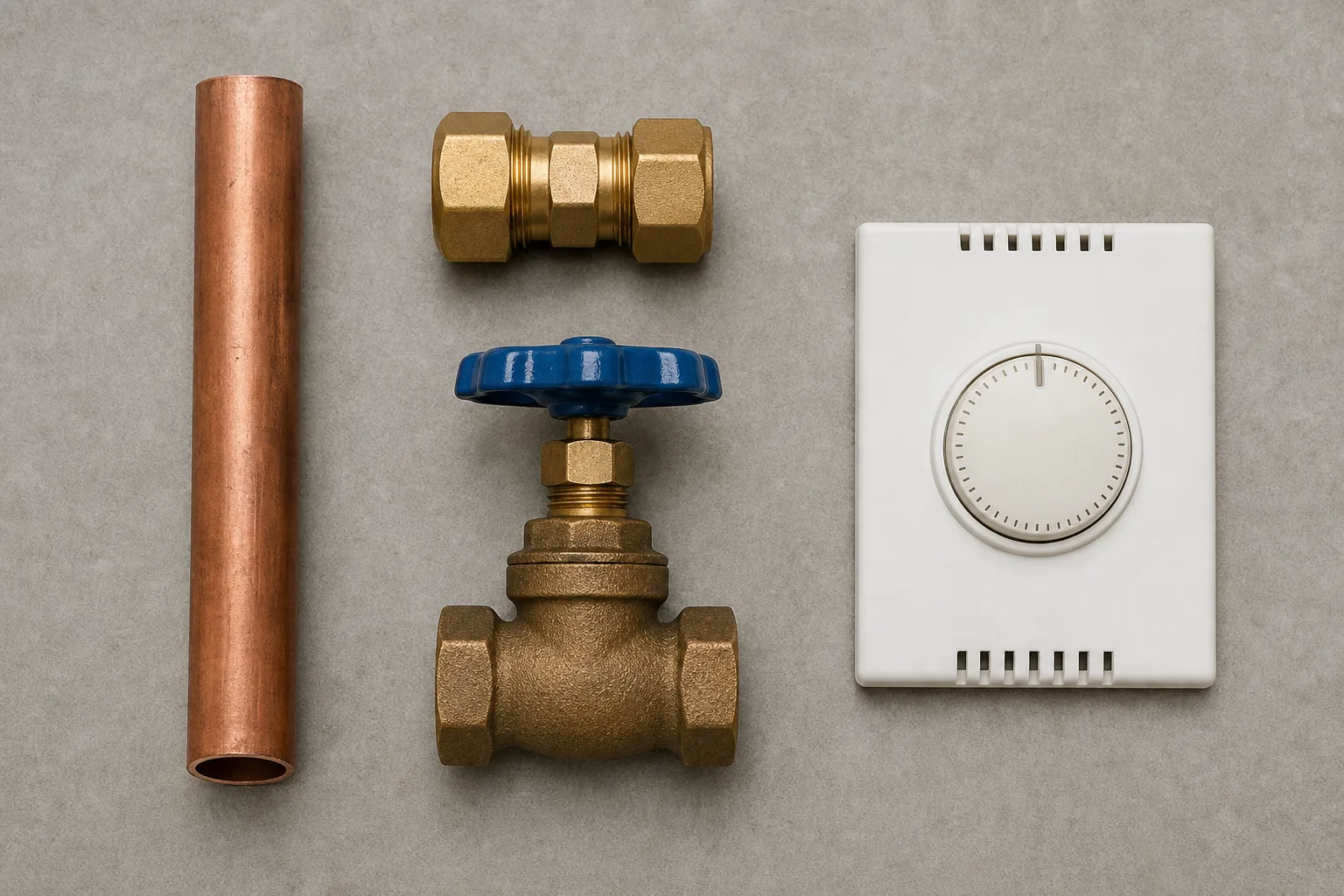
A family leaves the day before Christmas and comes back nine days later to a ceiling on the kitchen floor, a supply line above the first floor having split at some point during the week. The claim goes in that afternoon. What surprises the household is that the adjuster's opening questions are not about the pipe or the age of the plumbing. They are about the thermostat setting on the morning of departure, whether the main water valve was closed, and whether any person entered the building during those nine days. Those questions come straight off the policy, and the answers to them decide the outcome.
The Provision That Governs an Empty House in Winter
Most homeowners policies carry language close to this: the insurer does not cover loss caused by water damage from the freezing of a plumbing system while the dwelling is vacant, unoccupied or under construction, unless the insured used reasonable care to maintain heat in the building, or shut off the water supply and drained the system. It is one sentence, it sits well back in the policy, and almost nobody reads it before the week they need it. It is also not the trap it appears to be on first reading, because the second half of the sentence does more work than the first.
Vacant and Unoccupied Are Not the Same Word
The two terms sit side by side in that clause and describe different situations. Vacant generally means empty of both people and furnishings, the condition of a house being sold or sitting between tenants with the rooms bare. Unoccupied generally means fully furnished with nobody living in it, which is what a family's home becomes the moment they pull out of the driveway for a holiday. A nine-day trip makes a house unoccupied and not vacant, and the distinction matters because many policies apply a stated number of consecutive days before the provision engages at all. That number varies by insurer and by state, it sits in the definitions section rather than among the exclusions, and it is short enough to read on a phone while the car is being loaded.
The Second Half of the Clause Is Where the Claim Lives
The provision does not say water damage in an unoccupied house goes uncovered. It says the loss is excluded unless one of two conditions was satisfied, and that single word carries the entire claim. The first condition is reasonable care to maintain heat, meaning the thermostat was left at a temperature intended to keep the plumbing above freezing and the heating system was in working order when the family left. The second is that the water was shut off and the system drained, and drained is the operative half, since a closed valve above full lines leaves plenty of water to freeze.
Either condition alone preserves the coverage, which is a more forgiving standard than most policyholders assume when they first read the exclusion and reach for the worst interpretation. Doing neither is what converts a covered loss into a denied one. A furnace that failed while the thermostat sat at a sensible setting is a different fact pattern and generally a covered one, since the care was exercised and the equipment failed on its own.
How an Adjuster Establishes Which Version Happened
The evidence available in an ordinary house is better than people expect and it usually favors the honest policyholder. A connected thermostat keeps a temperature history that can be pulled up in a browser, and the utility's own usage data tells a coarser version of the same story for a house without one. A neighbor or a relative who stopped by is a witness with a memory, and a text message asking them to check the place carries a date stamp that no one has to reconstruct. Cheapest of all is a photograph of the thermostat taken on the way out the door, which costs four seconds and settles the question outright before it can become an argument.
Filing Is Still a Decision Even When Coverage Is Clear
Suppose the loss is plainly covered. Whether to file it remains a judgment call, and it runs through more than the size of the check. Water damage compounds rather than sitting still, drying has to begin within days, and remediation is the largest line in most of these claims, so a loss involving saturated wall cavities is exactly what the policy exists to absorb. On the other side, claim history follows both the property and the policyholder for several years and is visible to other insurers at quotation, a small claim only slightly above the deductible can cost more in renewal pricing than it ever returned, and repeated water claims are the pattern that most reliably prompts an insurer to decline a renewal.
The dividing line most people settle on is a ratio rather than a dollar figure. If the loss is a multiple of the deductible, file it and get the drying started. If it is a hair above, get a repair estimate first and make the decision with an actual number in hand instead of a fear.
The Habits That Keep the Argument From Starting
Three habits cover almost every version of this. Leave the heat at a setting well above freezing and photograph the thermostat on the way out. For a long winter absence, close the main valve and drain the lines, starting with the interior valves feeding outdoor spigots, which are the first to freeze and the easiest to forget. And arrange for somebody to walk through the house every few days and note the date they did, which resets the day count under many unoccupancy provisions and, more usefully, puts a human being in the building while a leak is still the size of a stain.
The family in this case had left the heat at a normal winter setting and a neighbor had been collecting the mail. The split turned out to have come from a failed fitting rather than a freeze, and the claim was paid without much argument at all. What made it straightforward was not luck and not the cause of loss. It was that every question the adjuster asked on that first afternoon already had a documented answer waiting for it.